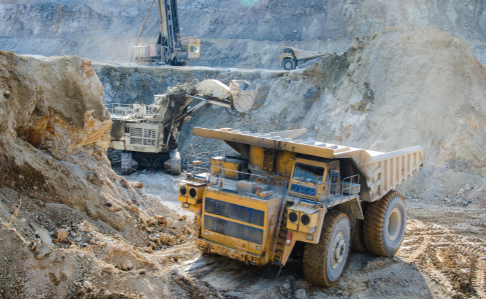
Standards-Based ROPS & FOPS Simulation for Mining Equipment Using Ansys Mechanical and LS-DYNA
This technical session covers how to perform ROPS (Roll-Over Protective Structures) and FOPS (Falling-Object Protective Structures) analysis using Ansys Mechanical and LS-DYNA in the Ansys Workbench environment, tailored for the mining industry. Following the guidelines of ISO 3471, ISO 3463, ISO 3449, and ISO 8083, we demonstrate static and dynamic simulation approaches for rollover and falling-object scenarios. Gain practical tips for model setup, material definition, load application, and post-processing to ensure operator safety and regulatory compliance. Whether for surface or underground mining equipment, this video provides the tools to run effective, standards-based FEA.
Siphakamiso Mncwango
Application Engineer.
Siphakamiso Mncwango is a Mechanical Application Engineer at Qfinsoft, supporting customers with tailored engineering and simulation solutions.
Related Resources
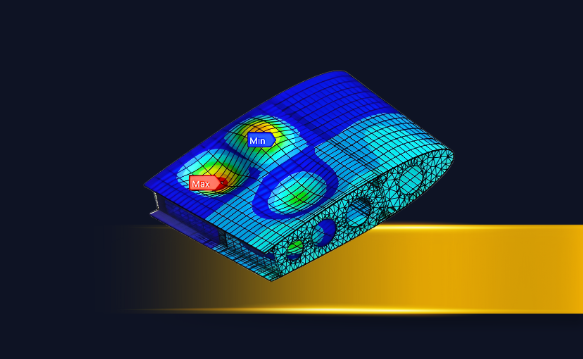
Simulating massive structures like aircraft wings, nuclear power plants, and large assemblies can quickly turn into a computational nightmare. But what if you could break these down into smaller, more efficient parts while maintaining accuracy?
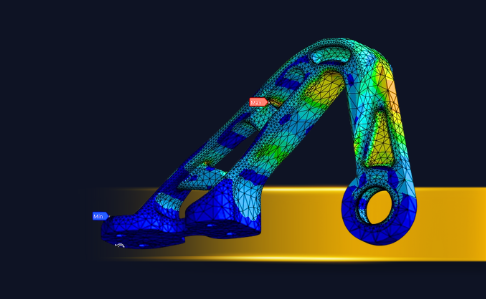
Watch this video as we explore mesh refinement strategies in Ansys Mechanical, covering the impact of mesh quality on simulation accuracy, the differences between global and local mesh controls and when to refine, conducting mesh dependence studies to ensure reliable and converged results and a hands-on demo of mesh parametric studies and automatic mesh refinement in Ansys.
-
This technical session covers how to perform ROPS (Roll-Over Protective Structures) and FOPS (Falling-Object Protective Structures) analysis using Ansys Mechanical and LS-DYNA in the Ansys Workbench environment, tailored for the mining industry.
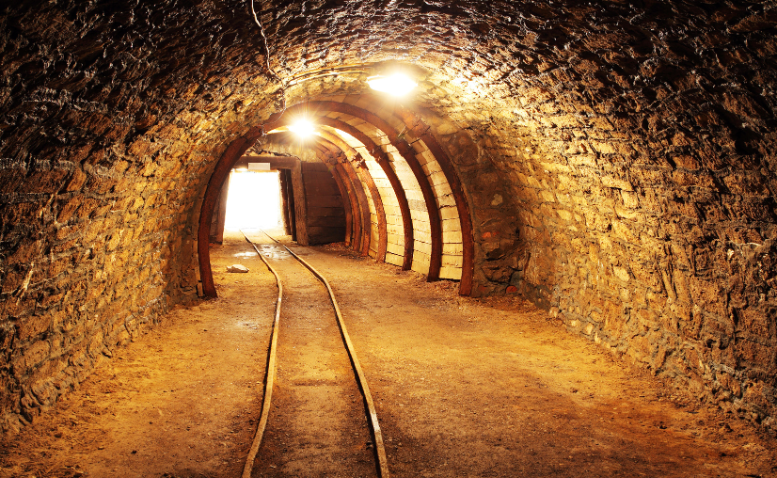
Discover how Rocky DEM combined with OptiSLang can be used to optimise the design of vertical mine ore passes. In this technical session, we explore how adjusting the angles of the second and third sections affects ore flow, wear, and overall system efficiency. With advanced simulation and automated optimisation, you’ll see how to find the best geometrical configuration to reduce blockages, cut down on maintenance, and boost productivity in mining operations.