
Fast-tracking and Simplifying Second-gen Sun Sensor Redesign with Ansys Zemax OpticStudio Software
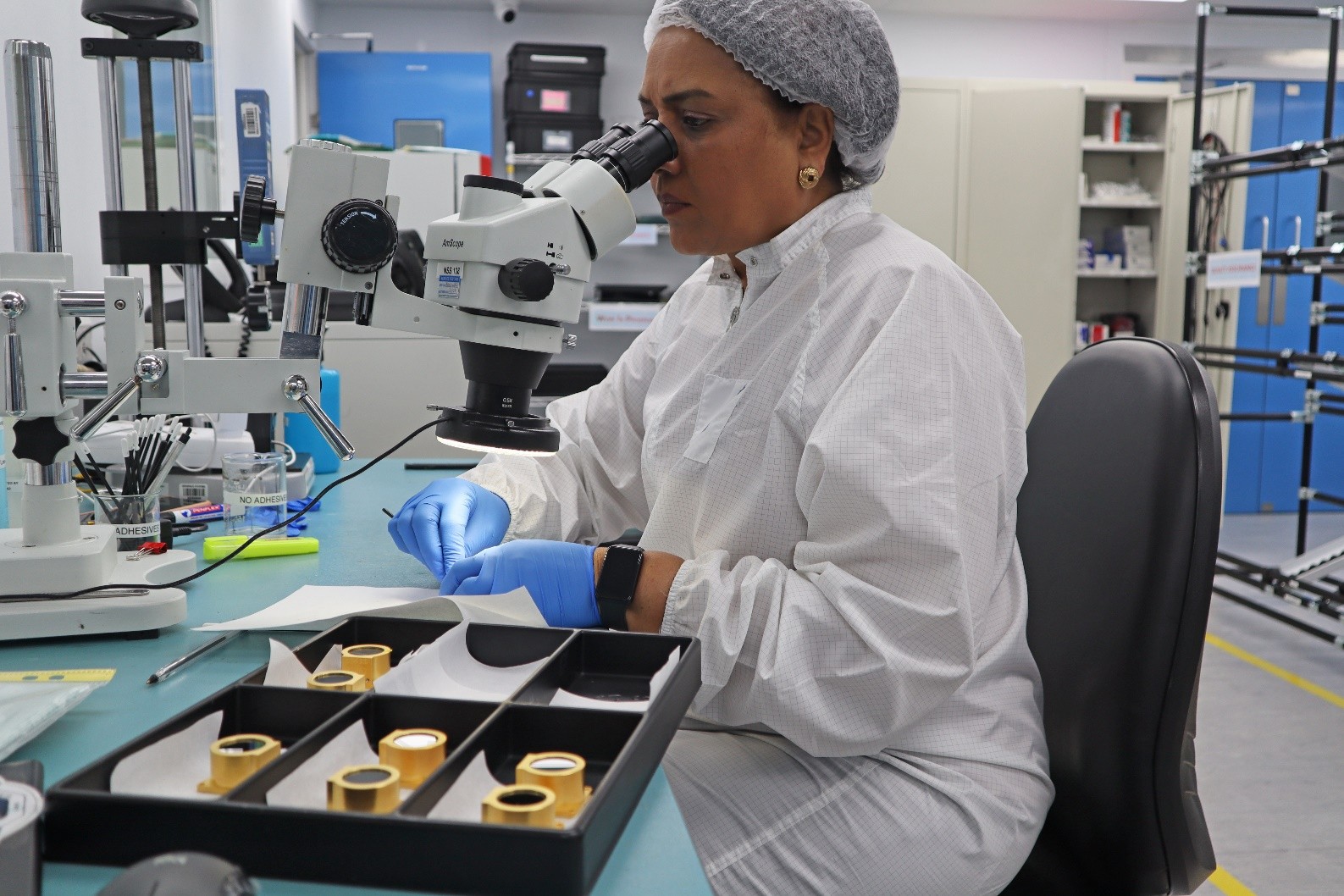
The Aquila D01 sun sensor from NewSpace Systems (NSS) is a proven and reliable system with extensive in-orbit heritage. It features a detector housed beneath a metal mask with precision-cut slits. As sunlight passes through these slits, it creates a unique one-dimensional brightness profile on the detector. This pattern is then analyzed to determine the sun's position. In 2022, the linear array used in the Aquila D01 was discontinued, prompting an effort to redesign the sun sensor to meet updated component availability.
Achieving Precision Through Early Optical Simulation

Niké Ackerman
Mechatronic Engineer at NewSpace Systems
Related Resources
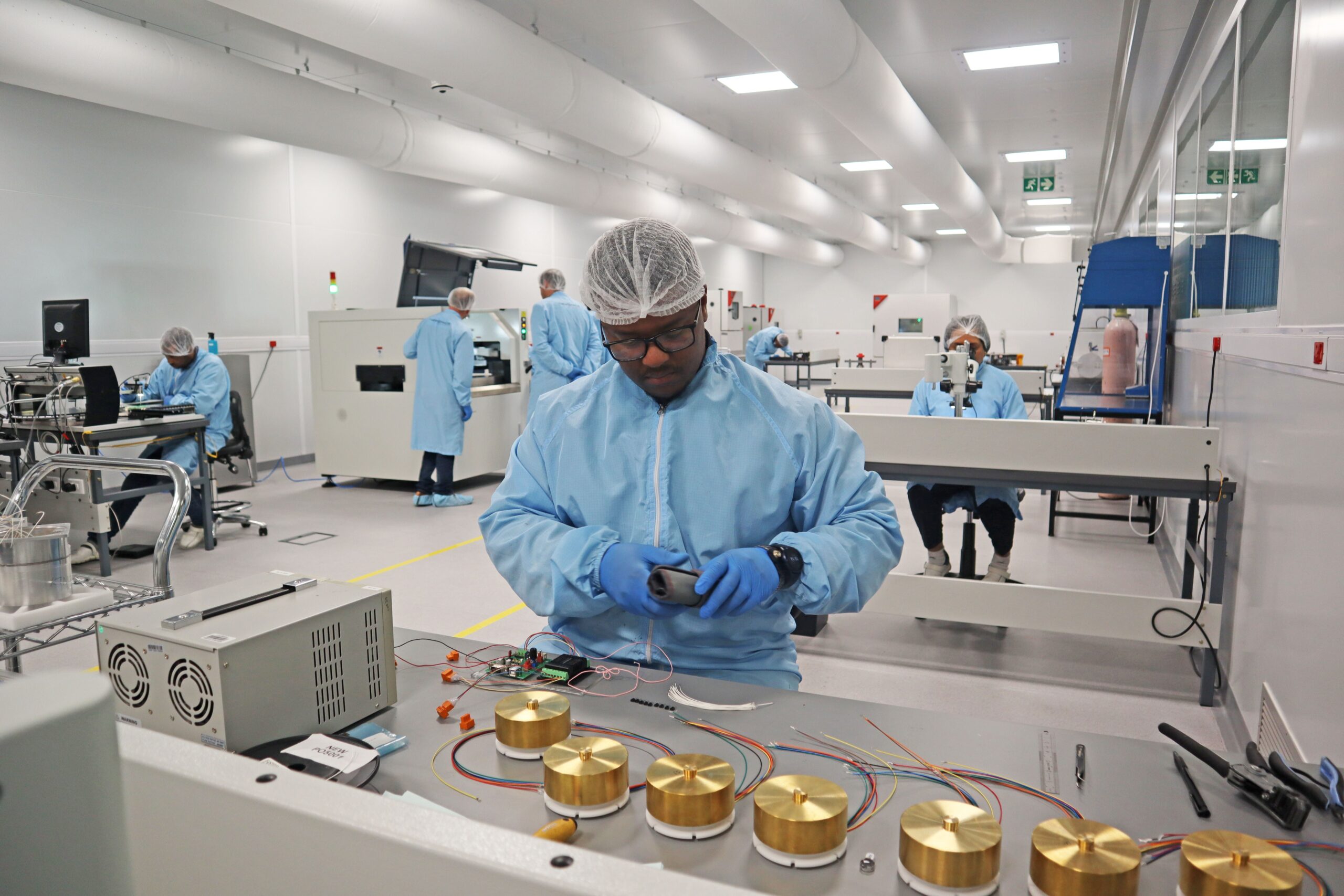
When designing components for the space environment, significant attention must be put into designing for intense vibration, shock, and thermal environments. During the development of a new reaction wheel, NewSpace Systems (NSS) conducted extensive environmental testing to examine the performance and predict the lifetime of the wheel. Special attention was to be given to the electronics and bearings, as these components had the most significant impact on the lifetime of the wheel
-
The Aquila D01 sun sensor from NewSpace Systems (NSS) is a proven and reliable system with extensive in-orbit heritage. It features a detector housed beneath a metal mask with precision-cut slits. As sunlight passes through these slits, it creates a unique one-dimensional brightness profile on the detector. This pattern is then analysed to determine the sun's position. In 2022, the linear array used in the Aquila D01 was discontinued, prompting an effort to redesign the sun sensor to meet updated component availability.
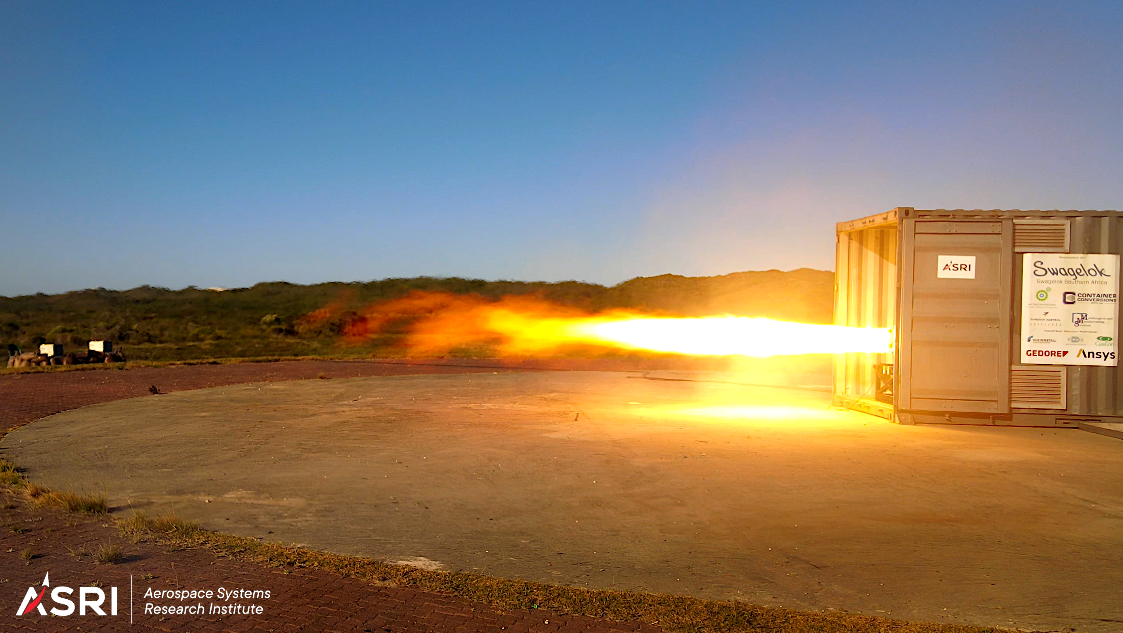
The Aerospace Systems Research Institute (ASRI) aims to strengthen South Africa’s advanced manufacturing capabilities while inspiring the next generation of aerospace engineers. To support these goals, the ASRI team is actively engaged in multiple award-winning projects.

Targeting sustainability goals can present challenges in some industries, as notable carbon-reduction initiatives like Race to Zero aim to halve emissions by 2030 and reach net zero by 2050. This has increased interest in direct air capture (DAC) technology, which removes carbon dioxide (CO2) directly from the atmosphere and enables it to be stored underground or converted into climate-neutral carbon products.