
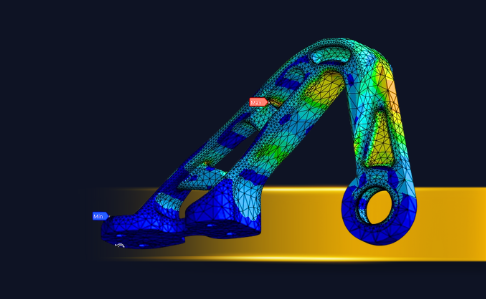
How Mesh Quality, Refinement Strategies, and Convergence Studies Improve Simulation Accuracy in Ansys Mechanical
Getting accurate simulation results isn't just about running the analysis—it starts with a high-quality mesh! But how fine should your mesh be, and how do you balance accuracy with computational efficiency? Watch this video as we explore mesh refinement strategies in Ansys Mechanical, covering the impact of mesh quality on simulation accuracy, the differences between global and local mesh controls and when to refine, conducting mesh dependence studies to ensure reliable and converged results and a hands-on demo of mesh parametric studies and automatic mesh refinement in Ansys.

Jeanri van Rensburg
Senior Engineer.
Jeanri van Rensburg is a Senior Application Engineer specialising in Ansys Mechanical, Fluent, LS-DYNA, optiSLang, and Granta. She applies advanced FEA and CFD expertise to solve complex engineering challenges and drive innovation through simulation.
Related Resources
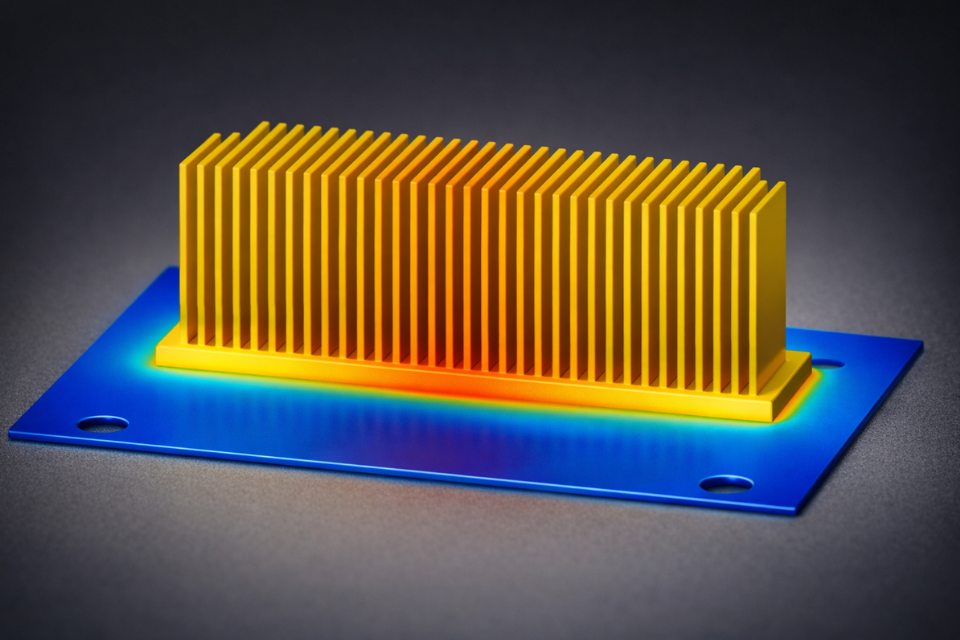
Discover how Maxwell supports traditional applications such as motors, transformers, and switchgear, while addressing modern challenges including wireless charging, NVH, and thermal performance through advanced multiphysics simulation.

This technical video highlights key HFSS capabilities, including 3D Components for intellectual property protection and Mesh Fusion technology for fully coupled electromagnetic analysis of electrically large and small components within a single assembly.

This technical video provides an overview of the Ansys electronics portfolio and helps you identify the right solutions for your application while understanding how the tools work together to maximise simulation value.
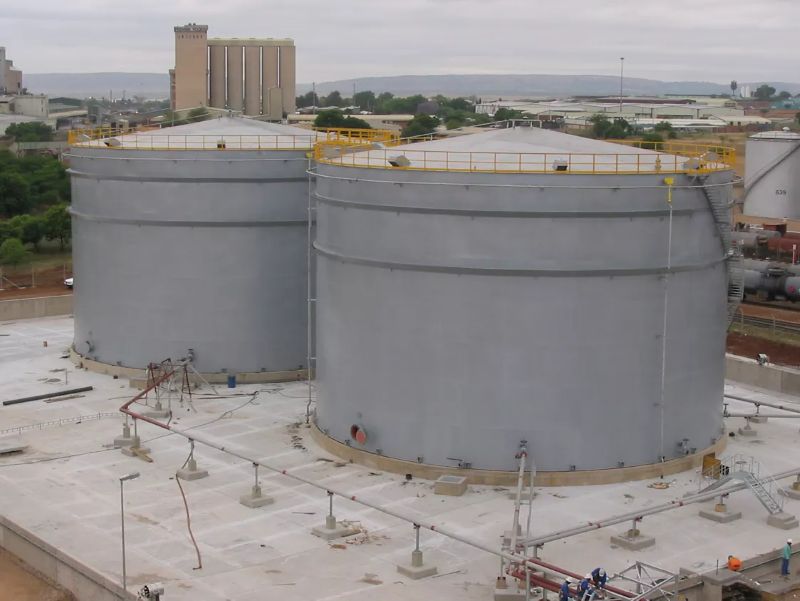
Real-world loading scenarios can be difficult to simulate. Trotech strives to maintain the highest standards of quality and safety throughout the engineering, procurement, and construction (EPC) of above-ground bulk storage tanks and associated supportive equipment, including platforms.